
Comprehensive vision examinations for your school-age children
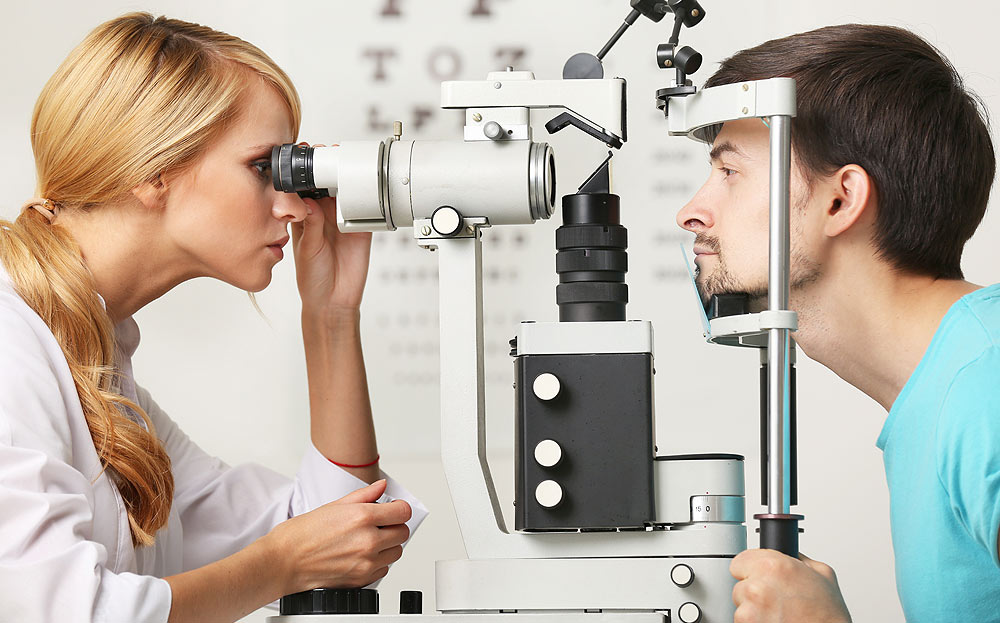
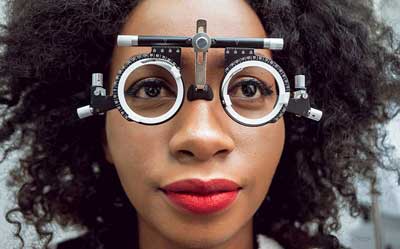
There is a difference between your pediatrician’s vision screening and the comprehensive vision examination conducted by your optometrist. A complete eye examination is critical in early identification of vision problems that may cause problems in learning, or in the healthy development of your child’s eyes.
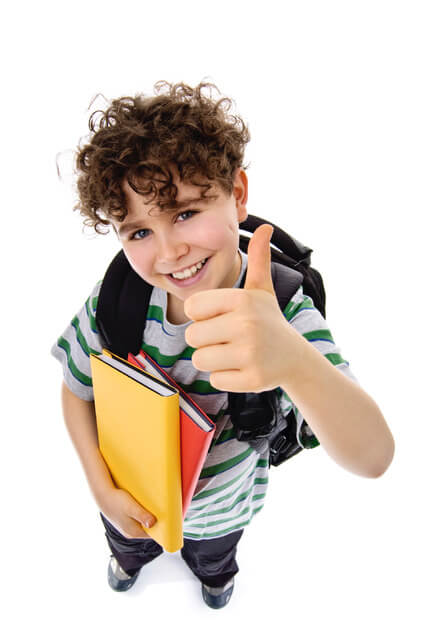
Vision exams for children starting or returning to the classroom are an important element of good health and good learning. According to Prevent Blindness, visual functioning is a strong predictor of academic performance in school-age children. Children generally do not complain about problems with their vision.
Prevent Blindness recommends these steps:
- Watch your child while at play, and while looking at books, pets or other people. If something does not seem right, discuss this with your child’s doctor.
- Talk with your child’s doctor about any family history of vision problems (such as “lazy eye,” a “crossed eye,” use of an eye patch as a child to correct vision, or need for eyeglasses with a strong prescription).
- If you see that your child squints in an effort to see better, sits very close to the television, or avoids reading or other activities that require near vision, consult your optometrist.